Wednesday, October 23, 2019

Our SEL shopping list

Well hi, there!

We've been talking a lot lately about the super cool SEL libraries we're creating for HMMS thanks to the Franklin Education Foundation and the pinnacle grant we received.  Lots of folks have asked for the books that we ordered, and we figured this was the easiest way to share it.  Happy shopping!


TitleAuthorISBN
24 Hours in NowhereBowling9781454929246
42 is Not Just a NumberRappaport9781536206326
A Good Kind of TroubleRamee9780062836687
A Land of Permanent GoodbyesAbawi9780399546853
A Monster CallsNess9780763660659
A Night DividedNielsen9780545682442
A Thunderous WhisperGonzalez9780375873713
After ZeroCollins9781492697350
All American BoysKiely/Reynolds9781481463348
Amal UnboundSaeed9780399544682
AmericanizedSaedi9781524717827
An Elephant in the GardenMorpugo9781250034144
As Brave as YouReynolds9781481415910
Born a CrimeNoah9780525582168
Brown Girl DreamingWoodson9780147515827
Can You See Me (2020 pub date)Scott & Wescott9781407195674
Challenger DeepShusterman9780061134142
Counting by 7sSloan9780142422861
Curveball: The Year I Lost My GripSonnenblick9780545320702
Dear MartinStone9781101939529
ElevenRogers9780991181001
Enchanted AirEngle9781481435239
Every Last WordStone9781484723647
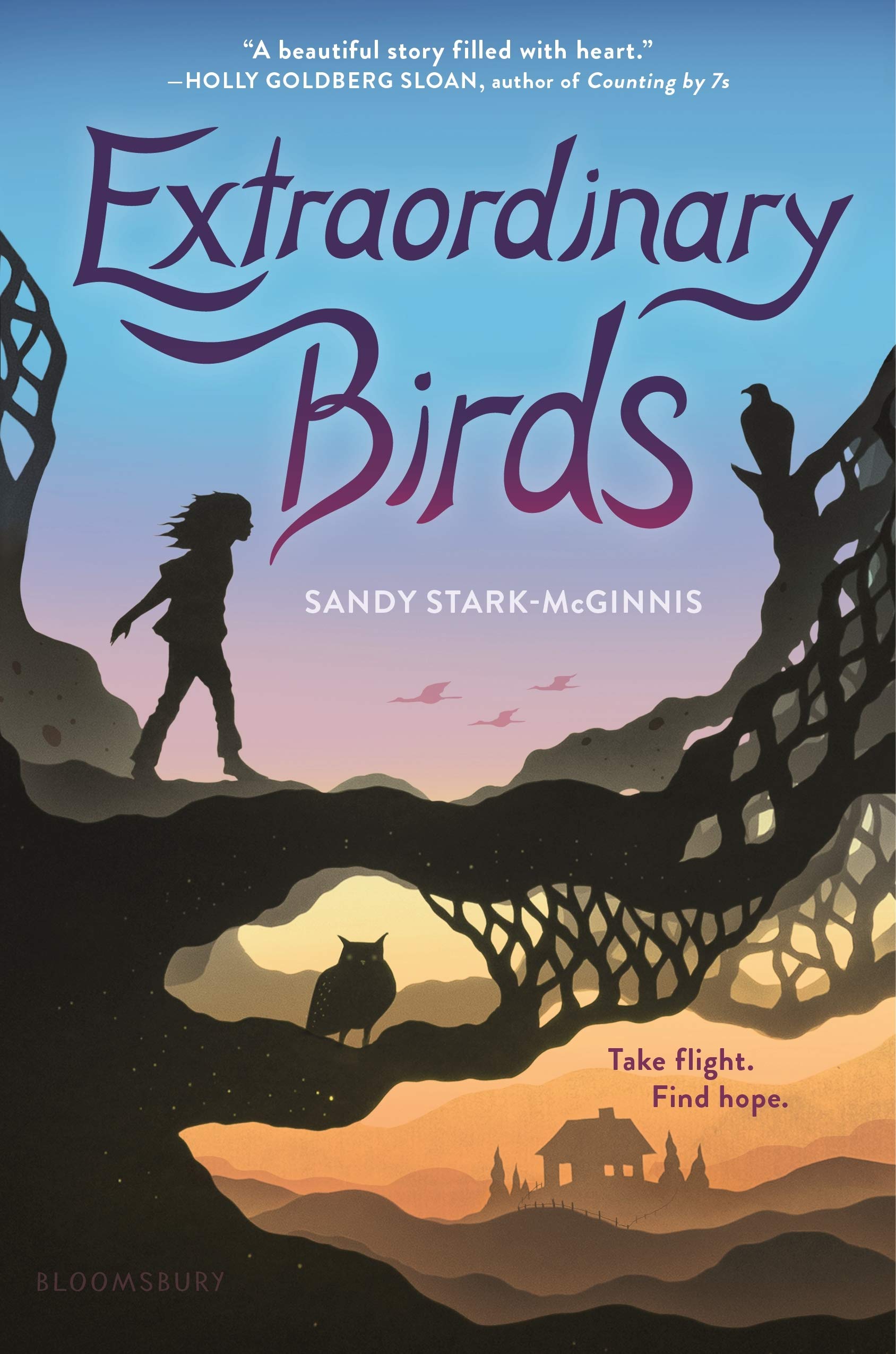
Extraordinary BirdsStark-McGinnis9781547601004
Fast BreakLupica9781101997833
Fish in a TreeHunt9780142426425
Genesis Begins AgainWilliams9781481465809
GhostReynolds9781481450164
Ghost BoysRhodes9780316262262
Girl StolenHenry9780312674755
Golden BoySullivan9780142424506
GoneGrant9780061448782
Good DogGemeinhart9781338528756
Good EnoughPetro-Roy9781250123510
Hey, KiddoKrocozska9780545902489
HighSheff9780544644342
House ArrestHolt9781452156484
I am Number FourLore9780061969577
I Have a Bad Feeling About ThisStand9781402284557
ImpulseHopkins9781416903574
In the Shadow of the Sun *only in hc*O'Brien9780545905749
Insignificant Events in the Life of a CactusBowling9781454932994
InternmentAhmed9780316522694
Ivy Aberdeen's Letter to the WorldBlake9780316515474
Just MercyStevenson9780525580065
Karma Khullar's MustacheWeintge9781481477710
LegendLu9780142422076
Life as we Knew ItPfeffer9780152061548
Lifeboat 12 (paperback)Hood9781481468848
Like No OtherLaMarche9781595146755
Lily and DunkinGephart9780553536775
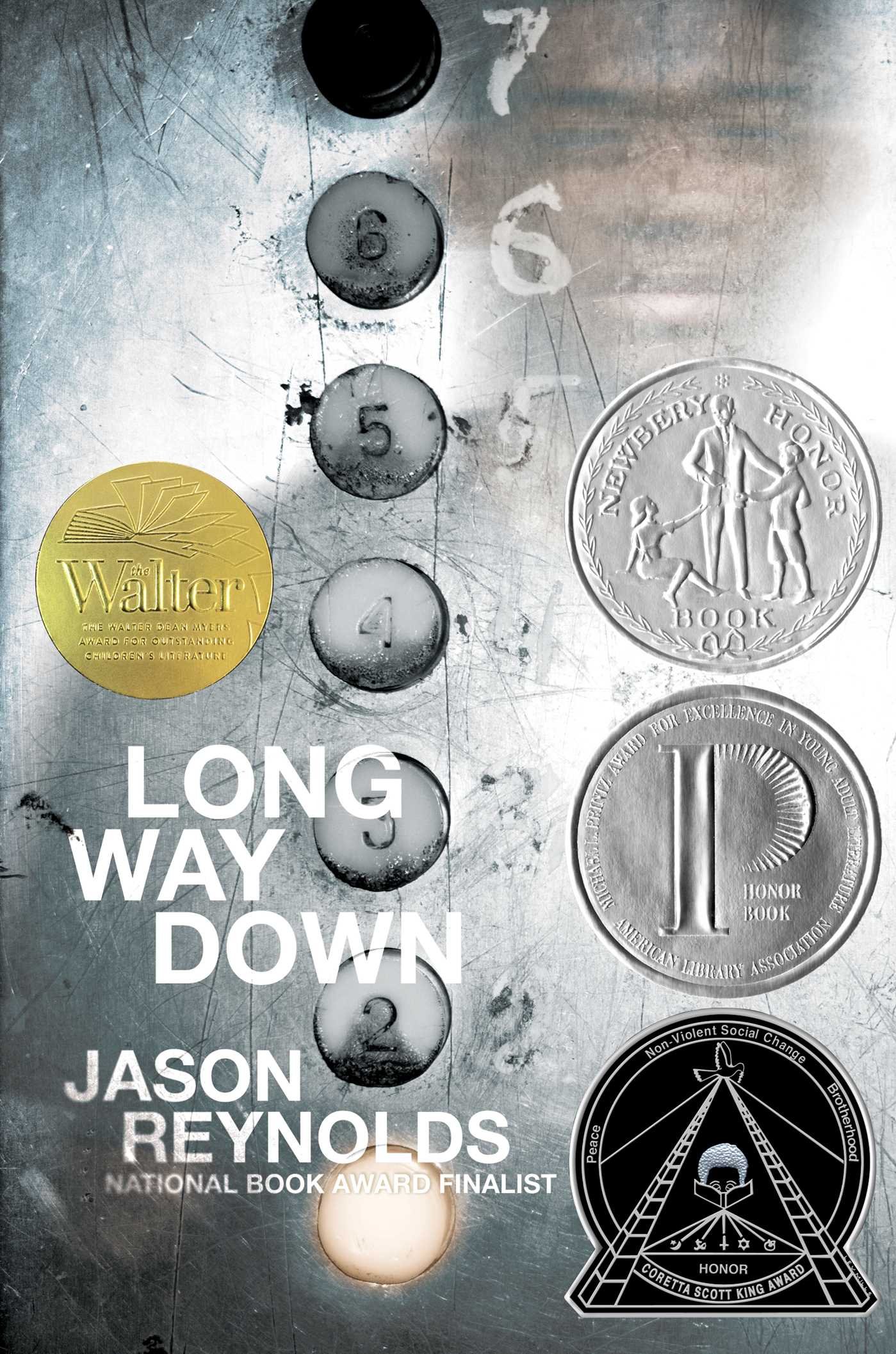
Long Way DownReynolds9781481438261
Losers BracketCrutcher9780062220080
Lost BoysRosenblatt9781250158826
Malice (out of print)Wooding9780545160438
Maybe He Just Likes YouDee9781534432376
MockingbirdErskine9780142417751
More Happy Than NotSilvera9781616956776
Notes from the Midnight DriverSonnenblick9780439757812
Other Words For HomeWarga9780062747808
Out of My MindDraper9781416971719
PatinaReynolds9781481450195
Prisoner B-3087 *only in hc*Gratz9780545459013
RestartKorman9781338053807
RevolverSedgwick9780312547974
RulesLord9780439443838
Saving MartyGriffin9780399539084
ScytheShusterman9781442472433
Slider (paperback)Hautman9781536204322
SpeechlessSchmitt9781536200928
StarfishBowman9781481487733
Tell Me Three ThingsBuxbaum9780553535679
The 57 Bus *only in hc*Slater9780374303235
The Bitter Side of SweetSullivan9780147515094
The Boy in the Black SuitReynolds9781442459519
The Boy in the Striped PajamasBoyne9780385751537
The Boys Who Challenged HitlerPedersen9780374300227
The DeadHigson9781484721452
The EnemyHigson9781484721469
The Faithful SpyHendrix9781419732652
The Glass CastleWalls9780743247542
The Inexplicable Logic of My LifeSaenz9781328498021
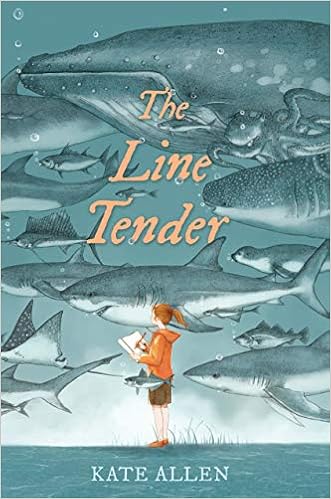
The Line TenderAllen9780735231603
The Miscalculations of Lightning GirlMcAnulty9781524767600
The Night Diary (paperback)HIranandai9780735228528
The Night She DisappearedHenry9781250016744
The Opposite of AlwaysReynolds9780062748379
The Rock and The RiverMagoon9781416978039
The Rule of OneSaunders9781503953178
The Thing About JellyfishBejamin9780316380843
The War I Finally WonBradley9780147516817
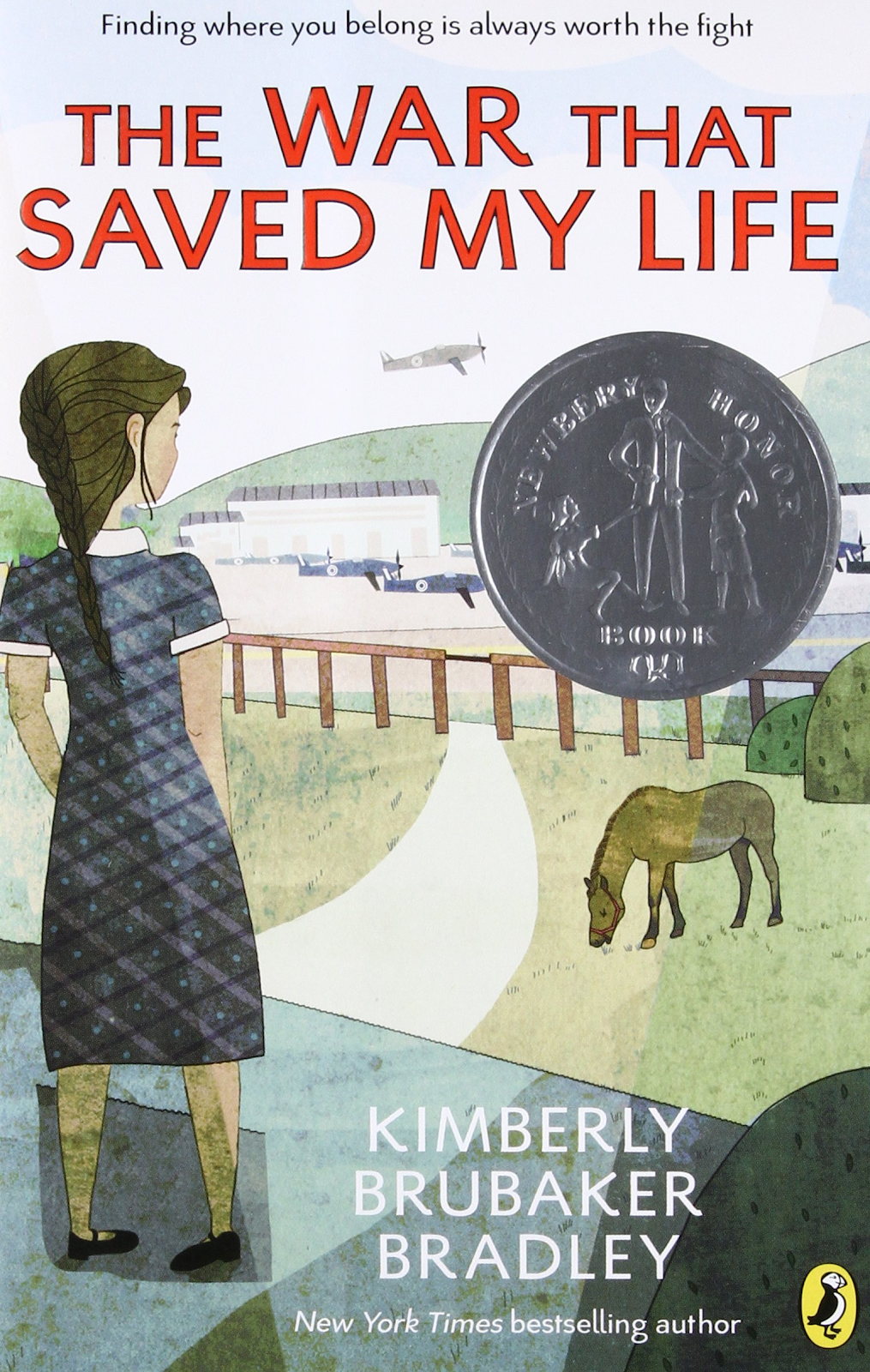
The War that Saved my LifeBradley9780147510488
The Year I Didn't EatPollen9781499808087
The You I've Never KnownHopkins9781481442916
They Both Die at the EndSilvera9780062457806
Time BombCharbonneau9780544416703
Waiting for NormalConnor9780060890902
Wake Me After the ApocolypseRivet9781725001992
When We CollidedLord9781681192031
When We Were LostWignall9780316417792
Wilder BoysWallace9781481432634
Wolf HollowWolk9781101994849
Words on Bathroom WallsWalton9780399550911

Friday, September 13, 2019

How to Get the Good Stuff

We all know that the greatest thing we can do to grow readers is to put good books in the hands of kids.

We know. We believe. But how do we do it?

On Tuesday, we bore witness to a teacher wrestling with this very problem. She reached out to the Twitter-verse, seeking ways to build her classroom library and offer her kids the books she knew they wanted.

"How do you do it?" she inquired. "Good books cost money. Those are the ones that interest my students, but classics are often free. How do schools afford to buy the books kids want?" 

We didn't even know this person, but our heads nodded in agreement, we sighed right along with her, and then got to work on this post.

It's true. Good books cost money. And, unless you're a Donalyn Miller devotee or the owner of a Crazy Reading Lady shirt, many people in positions of power simply don't understand that it takes money to maintain good libraries.

"But we bought new books last year." or "We have all of those copies of *fill in the blank* in the storage closet. Why can't you use those?"

The misguided logic behind the struggle is worth at least one other blog post, but that is not our aim here. Please know that we are not intending to solve the problem of access and budgets, we simply wanted to share a few of the things that have enabled us to keep good books on our shelves and in the hands of our kids.

All donated, all available for free
Host a Book Buffet: Twice a year, we hold book donation drives. We ask community members and families to purge their book shelves and consider "re-homing" books they've read and loved. The Bibliosaurus (a dapper recycling bin) stands ready to collect them in the school lobby. We then invite teachers and families to shop and get new-to-them books for free.

Meet the Bibliosaurus
Library Book Sales: Public libraries typically hold book sales several times a year, during which they sell donated books at a very low cost ($5 a bag.) Three years ago, the two of us attacked the sale early one Saturday morning. We were there to purchase new books for homeroom libraries and had agreed to split the cost. We were caffeinated and probably wearing matching t-shirts. We got some GREAT STUFF - new releases, hard covers, and books in like-new condition. We stopped once we took the time to count and realized we had accumulated over $60 worth of books. When we went to check out, we verbalized our excitement and told the volunteer what the books were for.
"These are for kids?" he asked.
"Yep!" we told him. "Hopefully, each homeroom will get some new books for the start of the school year."
"Wait here" he said.

Moments later, the library director came over to us. "Take them" she said. "They're for the kids, we want you to have them." We cried, gave her a hug and $20 and then loaded them into the car. Since then, our library lets teachers shop book sales for free. Perhaps your library director is as wonderful as ours.

Book Fairs: Check with your local book store (independents are the way to go!) and see if you can arrange a book fair. Our awesome indie allows us to host a 3 day fair, during which we get 20% of the proceeds. What do we do? Turn that money right back around and buy new books - which they will likely sell to you at a discount. Advertise like crazy - send fliers and emails home and try to tie it in with another school event - can the band perform? Would the art teacher put things on display? The more students that are involved, the better your attendance will be.

Savers/Yard Sales: Again, you'll be using your own money but you can easily get new books at a fraction of the cost. Don't be afraid to ask for a discount at the store! Online sources such as Freecycle and Facebook Marketplace are also ripe for the picking.

Grants: Though this is by far the most involved of any option, is it also phenomenally successful. When you write your grant, be sure to include research about kids and access to good books. If your school doesn't have a full-time, licensed librarian, tell them. Talk about accessibility and the achievement gap. And yes, we are speaking from success - just last year, we were awarded a grant to update our homeroom libraries with an influx of high-interest, contemporary titles. We tied it to social-emotional learning and decided to purchase books in sets of five, allowing kids to read with their friends. Just this week, we placed an order for 104 new titles, thanks to a local grant.

This post hasn't solved any problems, we know that; but hopefully, it serves to unite all of us in our struggle: our love for our kids and our desire to do what it right by them. Continue to push for new, contemporary titles and do whatever it takes to get them to your kids.

Do you have any favorite ways to get the good stuff? Leave a comment or reach out to us on Twitter @allinreading

Wednesday, July 17, 2019

The Power of No

So much of what we do is simple: read a lot, talk to kids about books, brainstorm ways to engage adolescents in the social opportunities a reading community provides. We match kids with books daily (sometimes unsolicited - watch out if you and your child are browsing for books in a public space) and have a pretty good grasp on what will "fit" each child; but sometimes, our recommendations fall flat.

Empowering students to say no is an essential part of building a reader.

In years past, I can remember soft-spoken kids coming to my door, eyes cast down, telling me they didn't like a book. Some started the conversation with the words "No offense" or - even worse - "I'm sorry." It was clear they didn't want to insult us or hurt our feelings; but something needed to change if students weren't comfortable being honest.

I suppose our excitement can be overwhelming. And when we do a whole song and dance about how much we loved a book, sometimes a child can feel a personal responsibility to like it. They think by loving the book, they are loving us and, by rejecting the book, they are rejecting us. Books have allowed us to have wonderfully personal conversations with students. That's how we build relationships and when you analyze the emotional investment at stake, kids can get mixed up and feel unintended pressure to keep something they don't want.

Now the power to say no is part of our schtick. "You'll know before fifty pages. If you get that far in and it's not something you're enjoying, bring it back to me. We'll find you something else. Promise?" Sometimes all it takes is a hallway chat a few days later. "Hey, how are you liking that book? Do you want something else or is it something you want to keep?"

Recently, we've heard kids repeat our dictum: "Life's too short for lousy books."

It's especially empowering to share our rejected titles with students. Several months ago, we purchased a highly-anticipated hard cover book by one of our favorite authors. Five days later, we had both given up. There was such an emotional weight to that decision: It was a failure. We felt gypped by the un-experience - we wanted to like it! - and we felt like we had abandoned someone. I mean, we're educators. We're paid not to give up on people! But there are too many good books to be read. We listened to our own voice: "Life's too short for lousy books" and set it aside.

At the end of the school year, one mother thanked me for "turning her daughter into a reader." In the note, in which she chronicled her child's journey, she mentioned the power of saying no. "You taught her that reading is fun! You told her that if she's been reading a book for awhile and it's not enjoyable anymore, stop and find another book."

Talking about our personal experiences with the less-than-stellar books helps build trust with our kids. They know we don't just *love* everything. We roll our eyes, we get confused, we get bored. We have high standards! Conversations that include experiences when we, too, had to abandon books forges another connection between us and our students. "You know, I started this one, but I just couldn't get into it." Their heads nod, their eyes grow wide, and they offer their own stories of books that failed to live up to the hype.

Gone are the days when kids come to the door avoiding eye contact with their metaphorical tail tucked down. Now they march right in and declare, "Nope. Not this one" or "I'm not feeling it. What else ya got?" The process teaches them to trust their own tastes, confident that *they* are they expert. During these tumultuous middle school years, talking about books is a major step in developing the ability to tell people how you feel. These perfectly imperfect adolescents need to know that telling us they didn't like something won't ruin our relationship. We won't take it personally. By acknowledging their feelings we are empowering them to say no and find something that feels right. Their comfort, their joy, is our goal.


Sunday, May 5, 2019

Reading *IS* Social Emotional Learning

If your school district is anything like ours, you're hearing the acronym SEL a lot.  SEL - Social Emotional Learning.  We totally get it if your first reaction is to roll your eyes and zone out as people talk about what you're thinking is the next big buzzword while you wonder what initiative is about to be added to your miles long list.  We get it.  We do. 

Except...

SEL is more than just a buzzword.  It's an incredibly helpful concept that can help you support your students.

Hear us out.

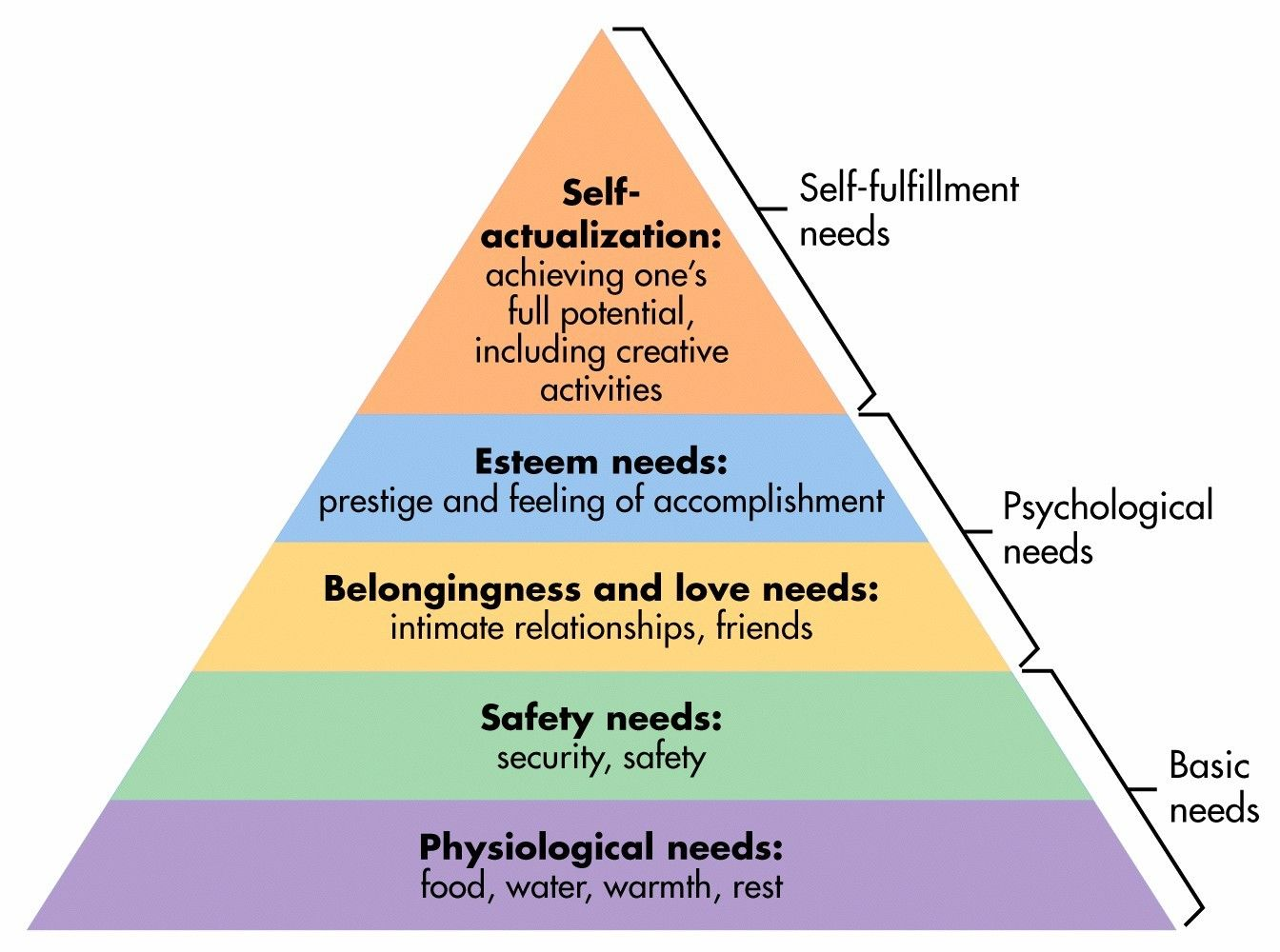
They can't Bloom until we Maslow.
SEL has always been a thing, it just didn't have a name.  When we first started teaching, back when dinosaurs roamed the earth and everyone had a landline, the idea of creating a safe and inclusive classroom was a nebulous idea.  We knew what it FELT like when we walked into a classroom where kids and teachers were comfortable.  But there was no blueprint for recreating that atmosphere in our own rooms.  We learned via trial and error.  But now we have SEL: a name that is linked to strategies that are just ripe for implementation. This is reason to celebrate!  We've always known that kids who don't feel safe and cared for will never be interested in Algebra or Shakespeare. If we take some time to focus on SEL, we have real tools for supporting our kids.

And guess what? Reading just happens to be your best ally for achieving SEL greatness.

The CRL can sometimes been prone to hyperbole, but for real: reading IS social emotional learning.

There are a few different SEL models out there, but the one we use to ground our practice is Core SEL Competencies as Identified by the Collaboration for Academic, Social, and Emotional Learning (CASEL).

CASEL defines five different competencies: Self Awareness, Self Management, Responsible Decision Making, Relationship Skills, and Social Awareness.

Buckle up as we take you through each competency and highlight how books and reading can make you an SEL superstar.


Image result for extraordinary birds book
A brilliant new novel perfect
for teaching Self Awareness

Self Awareness

CASEL defines Self Awareness as "The ability to accurately recognize one’s own emotions, thoughts, and values and how they influence behavior....to accurately assess one’s strengths and limitations, with a well-grounded sense of confidence, optimism, and a 'growth mindset.'”

Often, the first step in improving a skill in oneself is observing that skill in another. How do kids start to learn a new skateboarding trick? By watching others. LOTS of slow motion YouTube. Reading is like slow motion YouTube for self awareness. Students can read books about kids who are lacking in self awareness, like A Monster Calls by Patrick Hess. Or they can read books about kids who have a high level of self awareness, like The Beginning of Everything by Robyn Schneider. Either way, they're exposed to the concept safely between the pages of a book.
Protagonist Ada struggles
with Self Management

Self Management
CASEL defines Self Management as "The ability to successfully regulate one’s emotions, thoughts, and behaviors in different situations — effectively managing stress, controlling impulses, and motivating oneself. The ability to set and work toward personal and academic goals."

As an AP tasked with managing student discipline, Mary often says that this competency sums up her entire job. In fact, Self Management pretty much sums up middle school! Books can be a hugely helpful starting point for difficult conversations. You can ask a student, "Why do you think Ada was so upset by having to go to the bomb shelter? Why did getting wrapped in a blanket help her? Have you ever felt that way? What helps you?" Seeing a character in a book have reactions and emotions similar to their own is incredibly validating for children. Some of our favorites are The Thing about Jellyfish by Ali Benjamin and Twerp by Mark Goldblatt.

Responsible Decision Making

"The ability to make constructive choices about personal behavior and social interactions based on ethical standards, safety concerns, and social norms. The realistic evaluation of consequences of various actions, and a consideration of the well-being of oneself and others."


Image result for long way down book
Will he or won't he?
This one can be a lot of fun to work on with kids. Most middle school students struggle with peer pressure and making responsible decisions when in peer situations. They also LOVE to judge book characters for making poor decisions. Reading gives kids the opportunity to live vicariously through the characters and learn the difficult lessons from a safe distance. Students can tag along with Jack Gantos as he engages in truly terrifying delinquency in The Trouble in Me. They can take the car for a joy ride after downing half a bottle of vodka in Notes from the Midnight Driver by Jordan Sonnenblick. They can conspire to throw a state test in The Perfect Score by Rob Buyea. By allowing students to make vicarious mistakes and experience vicarious consequences, we hope to improve student real life decision making.

Relationship Skills
"The ability to establish and maintain healthy and rewarding relationships with diverse individuals and groups. The ability to communicate clearly, listen well, cooperate with others, resist inappropriate social pressure, negotiate conflict constructively, and seek and offer help when needed."

Image result for the line tender book
Gorgeous debut novel
perfect for Relationship Skills
We tell our students, "everyone is fighting a battle you know nothing about, so be kind." It's a nice thought, but it's hard for adolescent brains to conceptualize. Books can give students insight into what their peers might face when they go home. Books teach empathy. Mary has used book characters to help her own children navigate complicated social situations. When 11 year-old Anna was frustrated by a peer, Mary was able to relate his behavior to the behavior of a book character (Mockingbird by Kathryn Erskine), and Anna instantly understood. Though they never became friends, Anna was able to be less judgmental and more patient. We love Brigid Kemmerer's Letters to the Lost for this very reason. Both main characters have secrets that they're keeping, and readers will find themselves yelling, "Just talk to each other!" If we can get kids to see the benefits of open and honest communication, we've done our jobs.

Social Awareness

"The ability to take the perspective of and empathize with others, including those from diverse backgrounds and cultures. The ability to understand social and ethical norms for behavior and to recognize family, school, and community resources and supports."

So. Many. Books. If you have a social issue in your classroom or in your school, there's a book for that. If you want to educate your students about an issue, there's a book for that. Too many to name, but let's see what we can give you. (The CRL are generally not list people as new books come out so quickly that keeping lists updated is difficult, but here's a short one to get you started.)

Our top choice for race relations - middle grades - Blended by Sharon Draper.
Our top choice for race relations - older grades - Dear Martin by Nic Stone.
Our top choice for gender identity - middle grades - Lily and Dunkin by Donna Gephart
Our top choice for gender identity - older grades - The 57 Bus by Dashka Slater
Our top choices for disability awareness - middle grades - Insignificant Events in the Life of a Cactus by Dusti Bowling, Out of My Mind by Sharon Draper
Our top choice for disability awareness - older grades - Words on Bathroom Walls by Julia Walton

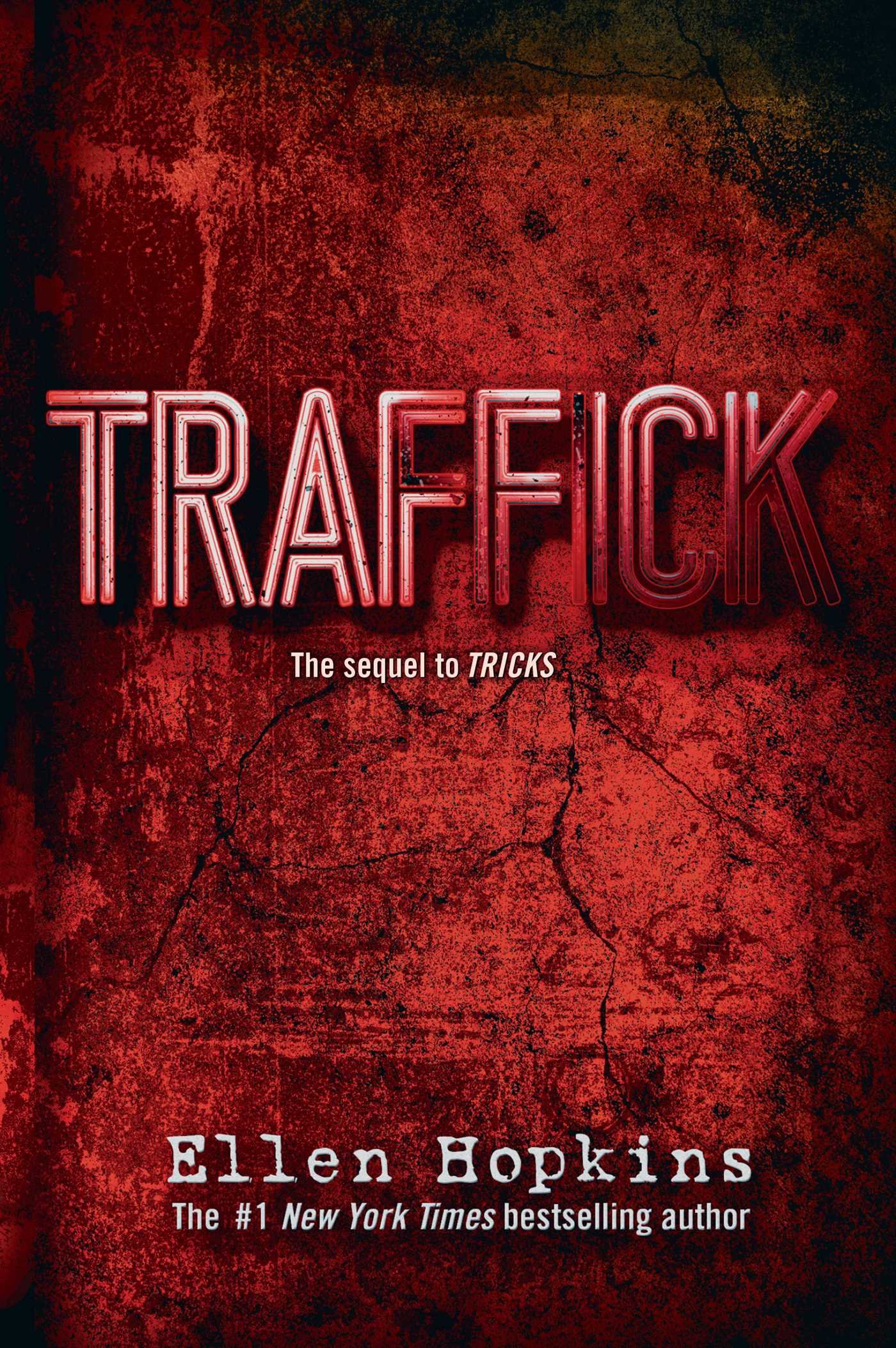
Image result for ellen hopkins traffick book
For Social Awareness,
you can't go wrong
with Ellen Hopkins
Pretty much anything else: sex trafficking, abusive relationships, mental health, religion - you can't go wrong with Ellen Hopkins. She writes in verse. Her books are super thick but because they read fast, kids can fly through and feel successful as readers. Check her out.

To Sum Up

Books can assist in developing self awareness, help initiate difficult conversations, increase a reader's capacity for empathy, serve as common ground, develop the ability to take alternative perspectives, aid as a tool for reflection, and connect generations.  

 If you're a literacy enthusiast and you're worried about how you're going to meet SEL goals, worry no more.  You have the very best tools -good books - right at your fingertips!

Friday, January 25, 2019

Whatever You Want, However You Want

If someone were to walk by my room, they'd be awfully surprised to know that the cacophonous whining they hear - "Can we pleeeeeeeeease just read today?" - comes from the reading specialist's office. You know, the place kids go when they have "reading problems." I'd wager that my room sees more begging for the act of reading than any other room in the school. Funny, isn't it?

She finished two books
in a 3-day weekend
Here's the thing: kids like to read. The love of story is hard-wired into us humans. We like movies that tell a good story, we remember people and events from history because we remember the story. We cheer for Tom Brady and get caught up in SuperBowl hoopla because it's a good story.

But all too often, children who have a complicated relationship with the printed word are not given the management strategies needed to successfully work around their deficit.  If they haven't had the opportunity to enjoy a book, they will not know to seek it out independently. Thankfully, there are a few things we can do to turn it around.
Reading her way out of support class
Sonnenblick was her jam.

1 - Match them with the right book.

Do the hard work ahead of time and know what books are likely to spark your readers. Then talk to your kids (Does page count matter? What was the last book you enjoyed? What's your favorite movie? What have you been thinking about lately?) Book talk three choices and then let them decide which one to try. Don't forget to give them a mission and a time to check back "Read the first three chapters before Tuesday, then let me know if want to keep it or try something else." And when they come back, accept their feedback with an open mind and an open hand. If they need another book, smile and find something else. Never let them see you sweat and never let them leave empty-handed.

2 - Ask them what they need.

Bookshare at work in 6th grade
Audio has proven to be our greatest partner in healing reading relationships. More and more, our book orders list audio versions instead of paperbacks. Kids with school-issued Chromebooks know how to have the news and sports blogs read aloud to them. Sixth grade boys linger in my room to finish an article on the Celtics.

And then there's the game-changer: Bookshare. Offered through the federal government, Bookshare is an online library currently containing over half a million titles. The best part? It's free to those with a print disability. All of our qualifying students have accounts and we spend several classes orienting them to the web-based platform. Kids can search for specific titles or access customized lists (ours is called "CRL Approved" - feel free to take a look!) E-books download in under a minute. Students can adjust the color, font, or size of text, and activate a computer-generated narrator at the click of a button. Bookshare's selection is second to none and it works with Apple and Android products. Though it's never easy to take the leap and welcome technology into your classroom, we strongly encourage you to explore this incredible resource on behalf of your students.
Find what you love on Bookshare

While we're on the subject of addressing students' needs, remember this could also mean physical separation. Last week we discovered that one of my favorite seventh graders reads best with his back to the rest of the group; the class was too visually distracting.

3 - Give them time and space.

Reading must not simply be promoted, it must be supported. After we take the time to put good books in their hands, we must give them the time and space to read. Set aside a decent amount of time (twenty minutes at minimum), send everyone to the bathroom ahead of time, dim the lights, and take out your own book to read. If your kids aren't ready for the independence, read out loud. Bottom line: fill the time with reading.

It's also important to let kids know how long reading should take. Think about your students: how many kids read one book all summer long - and how many took the full eight weeks to read it? Stretching out the task does nothing to improve comprehension or increase enjoyment. We tell our students that reading a book is like watching a movie: even if you've got the best movie on the planet, you're not going to like it if you watch it in eight-minute increments. Show them how to read and craft a reasonable timeline.
However you want
If we want our students to be their own advocates, we must model how reading can look different from one day to the next. Reading isn't an option; however, leave what they read and how they read up to them.

In my room, reading usually involves children splayed out on the floor. Some stay in seats, others squeeze between bookcases or sit under a table. Some place their foreheads on the desk, others cradle their face in their hands. Kids use Chromebooks, paperbacks, and tablets. I know who brings their own Bluetooth headphones and who borrows a pair from me. And then they read.